Paid media creates speed
Paid campaigns help a business test messages, audiences, offers, and landing pages quickly. They reveal what buyers click, where they hesitate, and which topics create more qualified enquiries.
SEO creates durability
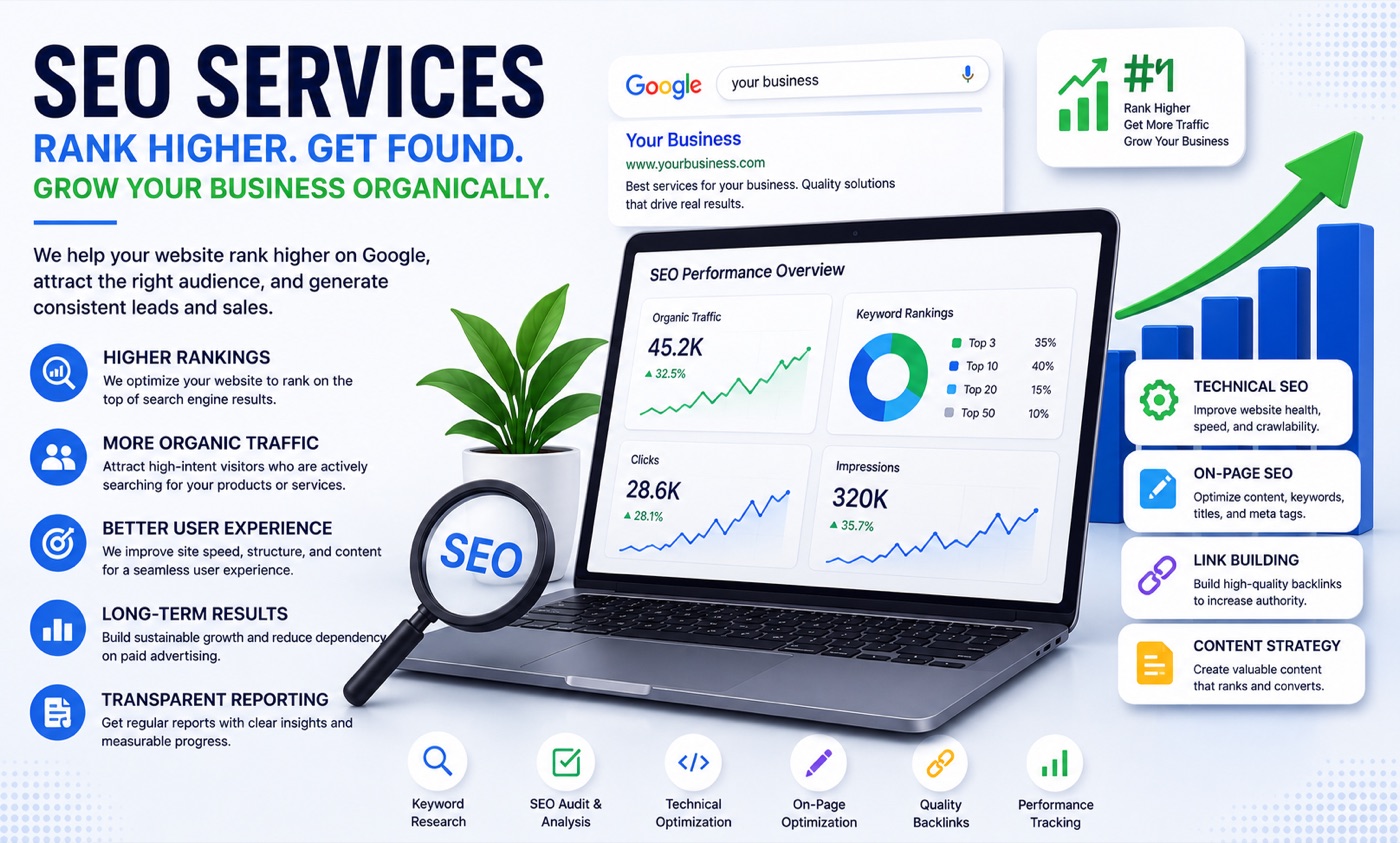
SEO compounds over time. When a website ranks for the right commercial and educational topics, the business earns demand without paying for every visit. The best SEO plans use paid-media learning to choose better content priorities.
Use one message system
The language used in ads, landing pages, service pages, and blog content should feel connected. When paid and organic teams operate separately, prospects see different promises. A unified message system improves trust.
Measure the assisted journey
A buyer may discover a brand through paid media, return through organic search, read a blog, and submit a form days later. Good reporting should respect that journey instead of forcing every result into one channel story.
How to apply this inside your next campaign
Start by turning the idea into a simple checklist: audience, offer, message, channel, landing page, tracking, lead routing, and follow-up. If any one of these pieces is unclear, the campaign may still generate activity, but the business outcome will be harder to understand.
The strongest teams review performance with both marketing and sales context. That means looking at campaign numbers, website behavior, form quality, CRM notes, and opportunity movement before deciding whether to scale, pause, or rebuild a campaign.
Want this applied to your campaigns?
Book a growth audit and AdToro will translate the idea into a practical action plan for your audience, media budget, and conversion funnel.
Schedule Growth Audit